Walk the RSA floor and try to count the booths claiming AI.
You will stop somewhere around booth twelve.
Now ask each vendor what they mean by it. You will get different answers. Often from companies using the exact same phrase.
That is not a messaging problem. It is a market structure problem. And it is worth understanding before the next eighteen months of budget gets allocated against a category that still has not learned how to describe itself clearly.
The market has split. The marketing has not.
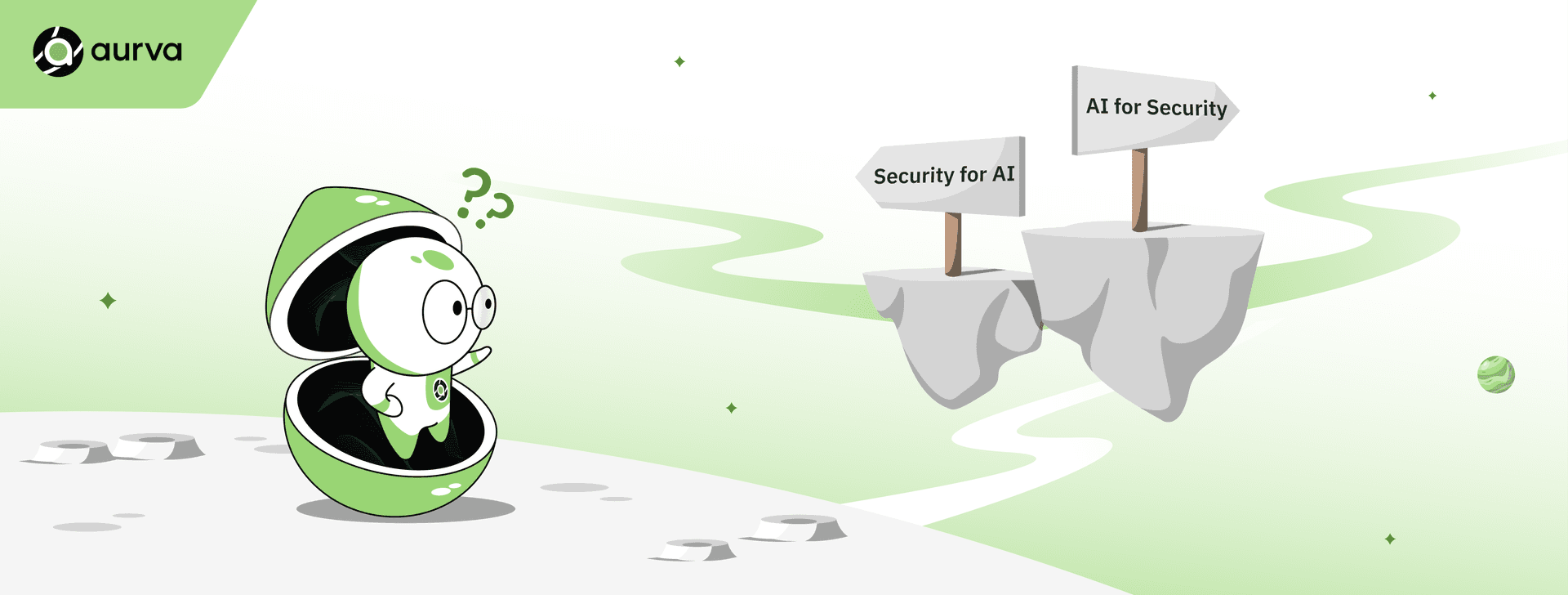
There are two real markets being built at the intersection of AI and security.
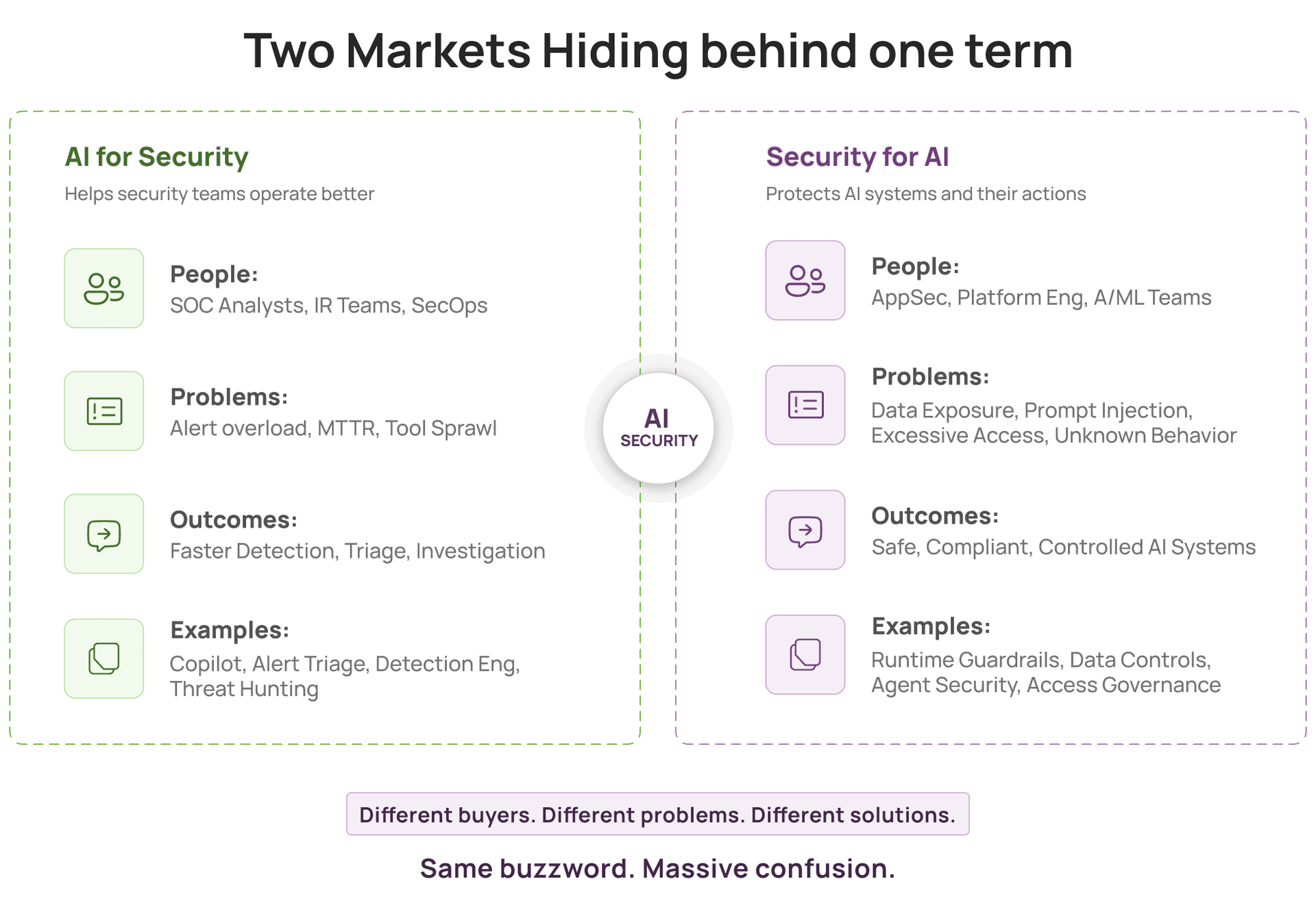
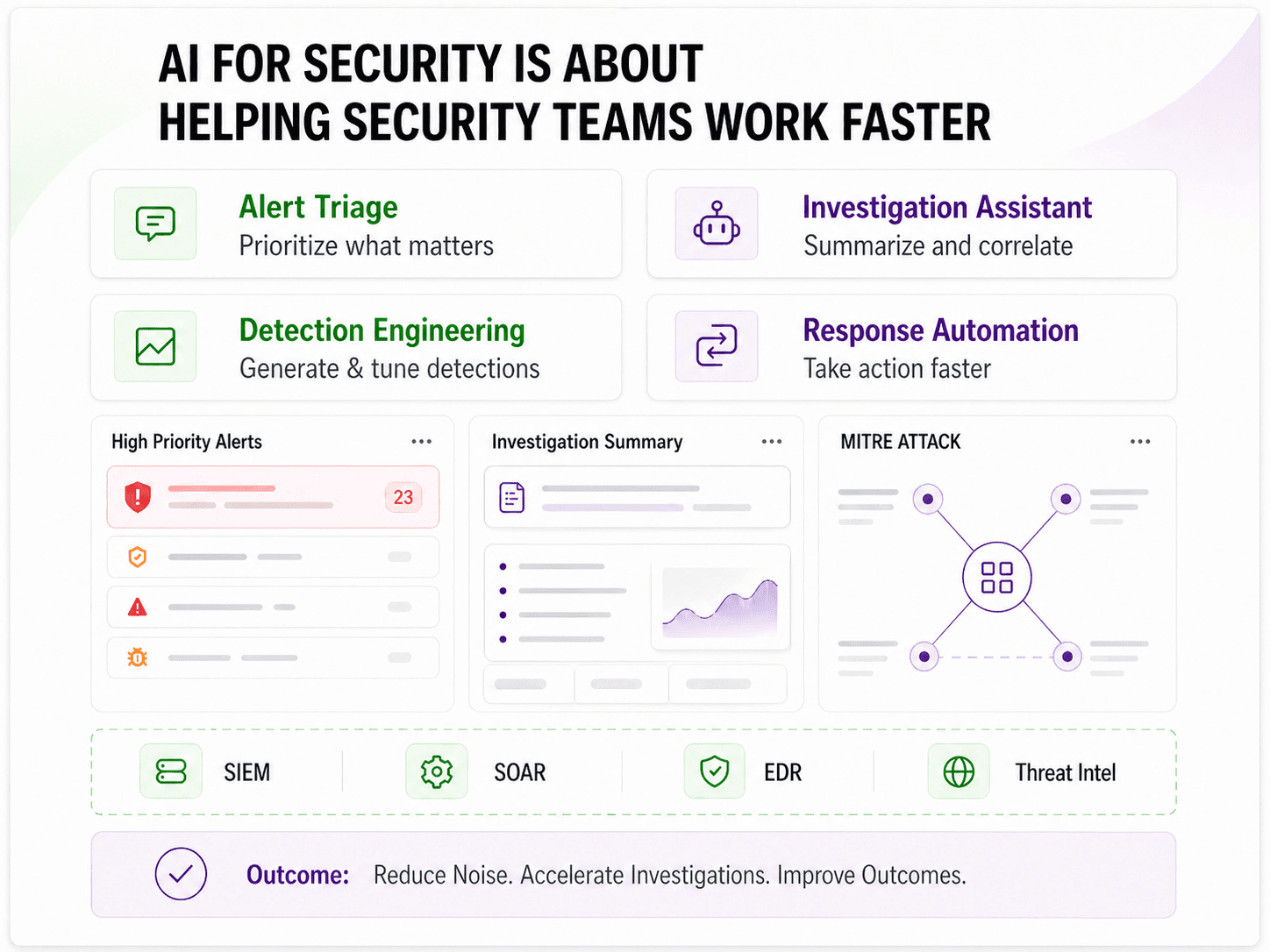
The first is AI for Security. This is about using AI to help security teams do security work better. Faster detection. Better triage. Agents that investigate alerts, gather evidence, and close repetitive work without waiting for a human analyst to pick through every queue manually. The goal here is simple. Make the security function itself more capable.
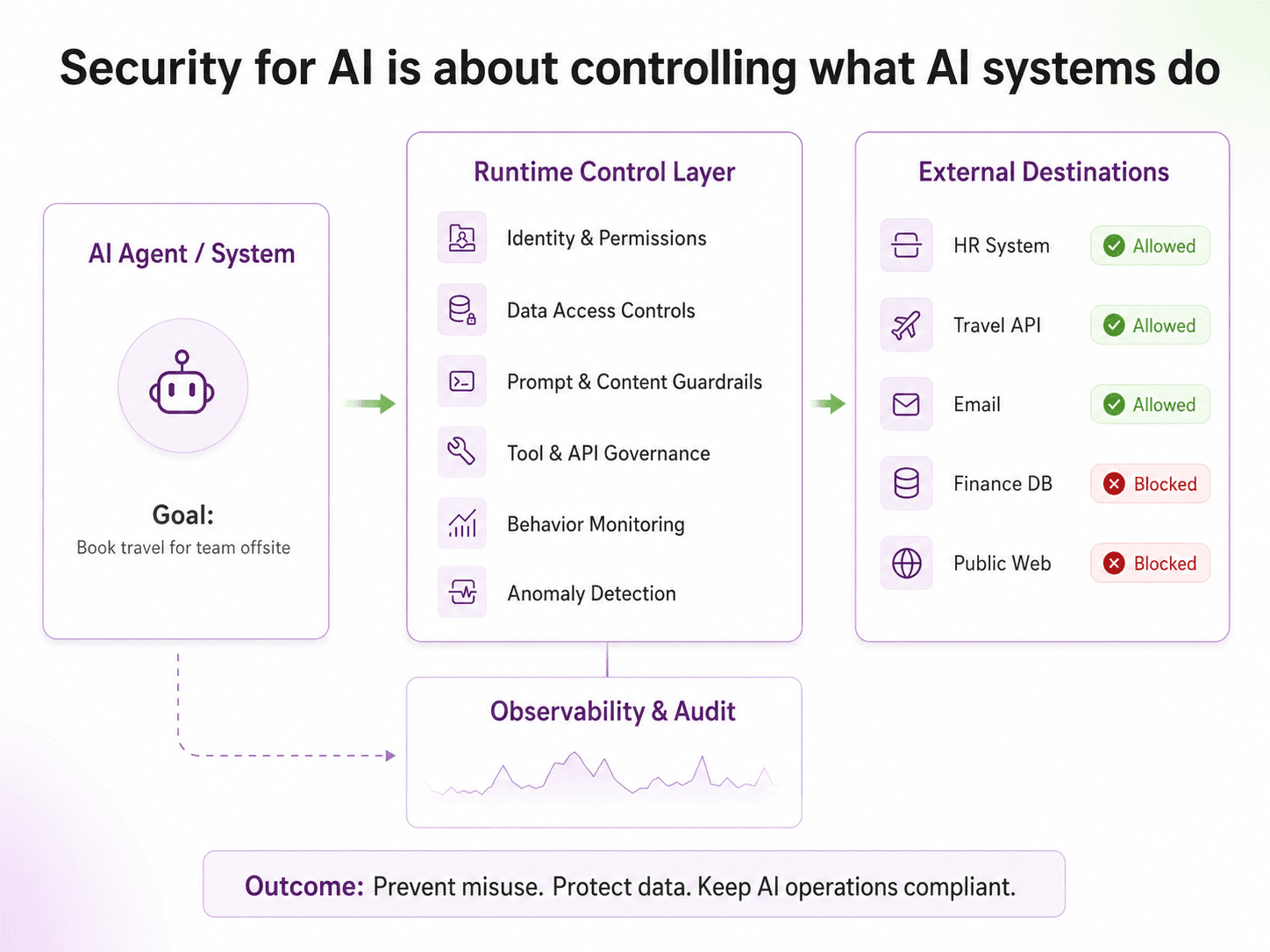
The second is Security for AI. This is about securing the AI systems companies are now building and deploying. The models, the agents, the applications running on top of them, the data they touch, and the actions they take. It is about what happens inside your environment at 2am when a system with valid access does something nobody explicitly expected.
Different problems. Different buyers. Different architectures. Different threat models.
But on the RSA floor, they share the same booth language, the same keynote vocabulary, and increasingly the same pitch deck.
That is not accidental. When a category gets hot, the incentive is to be in it, not to be precise about which part of it you actually solve.
AI theater - the third thing :
Sitting on top of both markets.
- A SIEM that added natural language querying and now sounds agentic.
- An MDR platform with a copilot that mostly rephrases the same alert flow.
- A legacy identity platform whose “agent security” story is still the old privileged access playbook, just retold in AI language.
It is not malicious. It is rational.
If customers are asking about AI in every board meeting, renewal conversation, and roadmap review, vendors will adapt the story fast. They have to.
But it creates a real problem for buyers.
When everything claims AI, very little is legible. A CISO trying to figure out whether a product changed the underlying capability or just changed the interface has very little reliable signal to work with. Vendors are incentivized to blur. Analysts are still trying to stabilize the map. Buyers are left doing category work during an active buying cycle.
And that confusion is expensive.
A company that buys an “AI security” platform expecting it to protect its AI agents may actually be buying a repackaged API security tool that was never built for that problem. A company that buys an “AI SOC analyst” may be buying a chatbot layered on top of the same Tier 1 workflow it already had.
The result is not just conceptual confusion. It is bad budget allocation, longer evaluation cycles, and false confidence. Teams think they have closed a control gap when they may have only bought a more modern interface around an older category.
This matters more now because AI systems are moving deeper into enterprise infrastructure. They are getting wired into internal workflows, customer operations, regulated processes, and systems that touch real data. As that happens, the cost of buying the wrong layer keeps going up.
So this series is an attempt to make the map more legible.
Not a vendor ranking. Not a category report. Just a clearer way of thinking about what is actually being built, which problems are real, and where the market is still hiding imprecision behind momentum.
Here is the map I want to build over the next few posts.
1. AI for Security
What is architecturally real in the AI SOC and MDR world, and what is just old automation with better prompting.
2. Security for AI at the employee layer
Copilots, coding assistants, Shadow AI, prompt injection through the software supply chain, and why this is not just a DLP problem.
3. Security for AI at the application layer
What changes when teams start building and deploying AI apps inside real business systems.
4. Security for AI at the agent layer
What happens when systems move from answering questions to taking actions, and why identity, sandboxing, and guardrails still leave a major blind spot around runtime behavior.
That last part is where I think the hardest enterprise problem actually sits.
Not in the abstract debate about AI risk. Not in another layer of policy theater.
In making system behavior legible when these systems start acting inside real environments.